Cultural significance of casinos in modern society
The Evolution of Casinos
Casinos have transitioned from their early origins as small gaming houses to becoming sprawling entertainment complexes that shape cities. Initially rooted in the simple act of gambling, casinos now encompass a wide array of attractions, including fine dining, luxury hotels, and live performances. Among the growing platforms, the VegasHero casino offers extensive options for players looking to experience thrills, such as https://vegasheroo.org/za/. This transformation reflects a broader trend in which leisure activities are integrated into a single experience, catering to diverse audiences and creating multifaceted cultural hubs.
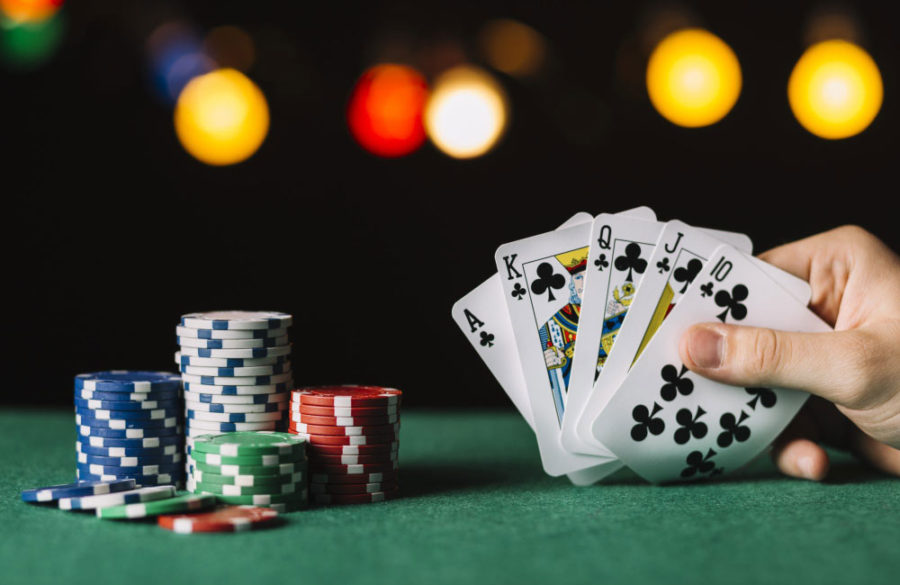
Moreover, the historical context of casinos highlights their role in society. In the early 20th century, gambling was often associated with vice and moral decay. However, as societal attitudes shifted, casinos began to be seen as legitimate forms of entertainment. This change has allowed casinos to influence local economies, attract tourism, and foster a sense of community, as they often serve as gathering places for social interaction.
As a result, casinos have become a significant part of contemporary culture, representing not just a place for gambling but a vibrant social environment. They engage people in various activities, from gaming to live shows, thereby shaping the cultural landscape. The evolution of casinos continues to reflect changing societal norms and the increasing acceptance of gambling as a popular pastime.
The Role of Luck and Skill
The dynamic interplay between luck and skill in casinos is central to their cultural significance. Games such as poker and blackjack require strategic thinking and skillful play, while others, like slot machines, rely solely on chance. This dichotomy creates a diverse gaming environment, appealing to those who wish to test their skills against others as well as to those who seek the thrill of luck. Many patrons who wish to indulge often need to go through a simple registration process to access various games at the Vegas Hero online casino.
This blend of skill and chance also influences player behavior and expectations. Many individuals enjoy the challenge of skill-based games, which can foster a sense of accomplishment and community among players. Conversely, the allure of pure luck can attract those who seek excitement without the burden of strategy. This duality invites a wide range of participants, contributing to the overall vibrancy of the casino experience.
Culturally, the fascination with luck and skill mirrors broader human experiences, from sports to various forms of entertainment. It evokes a fundamental aspect of life—uncertainty and the desire to control one’s destiny. Casinos become a microcosm where these elements play out, inviting discussions about fate, strategy, and the nature of risk in a modern context.
Economic Impact of Casinos
Casinos significantly contribute to local economies, creating jobs and generating revenue. They provide employment opportunities not only within the gaming sector but also in hospitality, entertainment, and services. The influx of tourists to casino destinations stimulates local businesses, enhancing the economic ecosystem of the area. This economic significance is further amplified through tax revenues that help fund public services and infrastructure.
Furthermore, casinos often invest in their communities, supporting local charities and cultural events. This philanthropic aspect strengthens their role in society, making them valuable partners in community development. By contributing to social initiatives, casinos can reshape their public image and foster goodwill among residents, which is crucial for sustaining their operations.
Despite the benefits, there are also concerns regarding potential negative impacts, such as gambling addiction and crime. Responsible gaming initiatives and community outreach programs are essential to mitigating these issues. Balancing economic growth with social responsibility reflects the complexities of integrating casinos into modern society, highlighting their multifaceted role beyond mere entertainment.
Casinos as Cultural Hubs
In modern society, casinos often function as cultural hubs that offer various forms of entertainment beyond gambling. They host concerts, theatrical performances, and art exhibitions, attracting a diverse audience. These venues reflect the cultural fabric of their locations, showcasing local art and music while bringing in international acts, thereby promoting cultural exchange.
Moreover, casinos serve as social spaces where individuals from different backgrounds come together. This melting pot effect fosters community interaction and the sharing of experiences, enhancing social cohesion. The architecture and design of casinos also play a significant role in establishing an immersive atmosphere, influencing how visitors engage with the space and each other.
The blend of entertainment and culture within casinos creates an experience that resonates on multiple levels. It enriches the local cultural scene and gives patrons a sense of belonging. This cultural significance positions casinos as integral components of contemporary urban life, where entertainment, art, and social interaction converge.
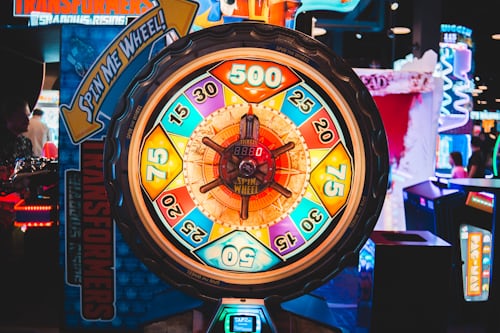
Conclusion: The Future of Casinos in Society
The future of casinos in modern society is likely to evolve further as they adapt to changing cultural trends and technological advancements. The integration of online gaming platforms reflects a significant shift in how people engage with gambling. This evolution encourages casinos to create hybrid experiences that combine traditional gaming with modern conveniences, catering to a new generation of players.
As societal attitudes towards gambling continue to shift, casinos must navigate the complexities of their roles in communities. By prioritizing responsible gaming and community engagement, they can ensure that their cultural significance remains positive. Continued innovation and adaptability will be crucial in maintaining relevance in a fast-paced world.
Ultimately, casinos will continue to be influential spaces that blend entertainment, culture, and social interaction. As they evolve, their contributions to modern society will reflect ongoing changes in values, preferences, and technology, solidifying their place in the cultural landscape for years to come.